Ruled pages
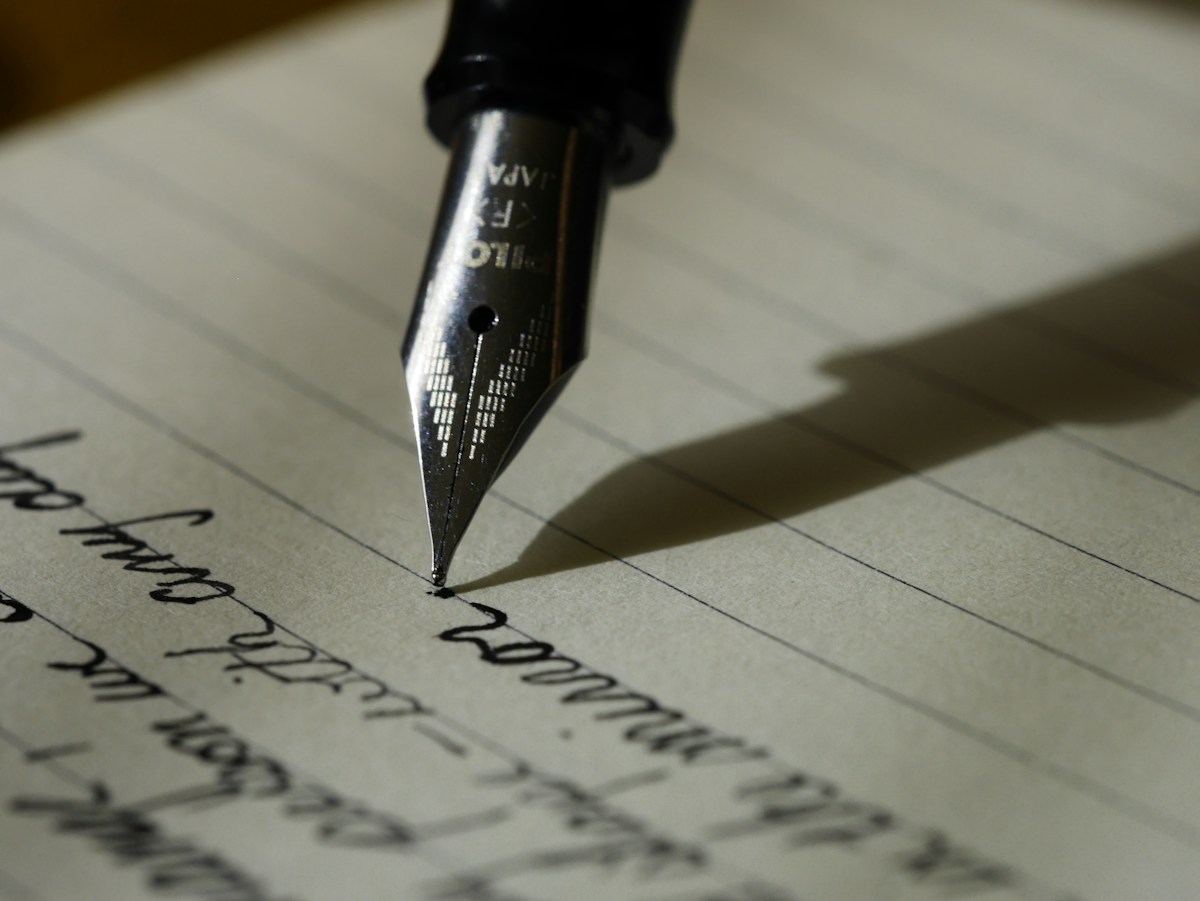
A regular baseline for handwriting, journal entries and paragraphs. Compare line spacing with your writing size and the amount of information you want on each page.
Stationery
A blank page can hold a plan, a sketch or a sentence worth keeping. Choose the paper and tools around the way you work.
Paper is part of the process
The format of a notebook can make a daily task feel more natural. Think about how much room each entry needs, whether pages must lie open on a desk and how often the notebook will travel with you.
Paper weight is one specification, not a complete measure of writing performance. Surface, opacity and the writing tool also matter. Check the individual paper’s intended use when working with wetter inks or repeated erasing.
Choose a little structure
A regular baseline for handwriting, journal entries and paragraphs. Compare line spacing with your writing size and the amount of information you want on each page.
A quiet structure for numbers, diagrams and alignment. Check the grid size when a particular task requires spacing or consistency across pages.
An open surface for sketches, loose notes and mixed layouts. Paper suited to dry sketching may behave differently with ink, markers or paint.
Look at the details
A pen’s line width affects both handwriting and page density. A pencil offers erasability and changes character with pressure and grade. Comfort, grip and the intended surface can matter more than a familiar colour.
If a tool takes refills, confirm the compatible type before choosing it for repeated use. These are selection considerations; ask about the exact item, specification and availability.